Friday, 27 March 2020

A Checklist for Commercial HVAC Maintenance for Spring 2020

When beautiful spring weather rolls around, it’s easy to forget about your HVAC maintenance needs. However, when summer heat sets in and your system is working over time, overlooked maintenance can quickly rear its ugly head, turning into a failing system and costly repairs. To avoid the need for emergency service and ensure your system will keep you and your staff cool and comfortable through the summer season, performing a few spring maintenance tasks with the help of your HVAC mechanical contractor is essential.

Spring Maintenance to Prepare Your System for the Summer Season

Don’t overlook these essential summer AC maintenance tasks:
  • Cleaning
    Commercial HVAC contractors in NJ know improper cleaning is the cause of more than half of all summer air conditioner failures. To avoid this, don’t neglect these key spring cleaning tasks:
    • AC filter change
      Filthy filters force your system to work harder, negatively impacting efficiency and indoor air quality.
    • Coil & fan cleaning
      Condenser coils outdoors can become clogged with dirt, mold, and plant debris or suffer damage from winter storms and ice. Likewise for blower fans. Evaporator coils can also become clogged with dust and dirt from unchanged AC filters, making it difficult for your system to maintain temperature.
    • Drain line maintenance 
      Drain lines should be regularly cleaned per manufacturer’s instructions to prevent mold/mildew, mineral, and dirt-related clogs that can lead to interior water damage.
  • Electrical inspection
    Regularly inspecting your system’s wiring in the spring, looking for loose connections, burnt wires, and shorts, can uncover damage from rodents who may have sheltered within your system over the winter.
  • Refrigerant check
    Commercial heating and air conditioning systems with low refrigerant levels will struggle to maintain temperature. If levels in your system are low, it is essential to check for leaks to avoid wasting costly refrigerant and the need for repeated service.

A Well Maintained Systems Saves Energy Dollars

Well performing commercial HVAC systems reduce energy consumption, helping your business balance monthly utility costs, even in temperature extremes. If you and your staff struggle to keep up with AC maintenance demands, it’s best to consider an HVAC maintenance agreement.
Ensure a well-performing, reliable system and predictable energy costs with the help of a commercial HVAC service company you can rely on. Schedule annual spring maintenance or learn more about an annual maintenance agreement from H & H Commercial Services today.

Friday, 13 March 2020

Fight Viruses and Flu by Maintaining the Right Humidity Levels in Your Spaces

With the incidence of coronavirus on the rise nationwide, businesses and families are scrambling to guard themselves against the virus. In addition to the social distancing, health, and hygiene recommendations of the CDC, there are also other ways to slow the transmission of flu and viruses indoors. The best commercial HVAC service companies know this includes maintaining ideal humidity levels.

How Do Humidity Levels Help Slow Virus Transmission?

Studies from the National Institution for Occupation Safety and Health (NIOSH) show you may be at a decreased risk of exposure to flu and other viruses in a space with normal humidity levels than in a dry environment. At 23% relative humidity (RH), 70-77% of airborne flu particles were able to cause infection one hour after coughing, the dry air causing the particles to float in the air for a longer period of time.

What is the Ideal Humidity Level to Slow Virus Transmission?

To slow the transmission of flu and other viruses, an indoor humidity level of around 43% is best. The NIOSH study showed in an environment with 43% RH, only 14% of flu particles were able to remain airborne to cause an infection. This higher humidity level was equally effective on both small particles, which tend to float in the air longer, and large particles.

How to Monitor Indoor Humidity Levels

You can monitor the humidity levels in your home or office using a hygrometer, which can be ordered from an online retailer for as little as $8.

Options for Boosting Relative Humidity

If humidity levels are low, you can add moisture to the air with a humidifier. A humidifier is an easy and affordable way to raise humidity levels indoors and combat the risk of flu and other viruses. For this, you have two options:
  • Portable humidifiers
    Small and inexpensive, portable humidifiers only control humidity levels in a small space, requiring multiple units for adequate coverage in most workspaces, which costs more than an HVAC humidifier. Portable units also require daily filling with demineralized water and routine cleaning to prevent the growth of biological contaminants like bacteria and fungi that can pollute the air in your workspace.
  • HVAC humidifiers
    These humidifiers install as part of your commercial heating and air conditioning system. They control humidity in every room and level of your office. HVAC humidifiers connect directly to your business’ water supply, using your systems blower system and ductwork to distribute moisture through the air. Maintenance is minimal, including changing the humidifier pads and a thorough cleaning with diluted vinegar once or twice a year.
Stay safe and healthy through the coronavirus epidemic. Ensure superior indoor air quality with the help of H & H Commercial Services. Contact us and schedule a complimentary consultation from a qualified HVAC contractor to learn more about available options for improving indoor air quality in your workspace, including humidifiers, exhaust systems, and improved filtration, today.

Friday, 28 February 2020

A Guide to Pool Room Dehumidification For Your Indoor Pool & SPA

Indoor pools offer unsurpassed enjoyment, providing opportunities for pool use from season to season. However, for optimal comfort and to ensure the longevity of your pool room investment, keeping humidity levels in check with a reliable dehumidification system is essential. With the right commercial pool dehumidification system, you can not only improve pool room comfort and condition but enjoy significant energy savings, even in the winter.

Thwart Structural Damage from Excessive Moisture with Pool Room Dehumidification

Excessive humidity in the pool room can cause corrosion, rot, mold, mildew, and structural damage over time, dramatically shortening the life of your natatorium. Heated pool rooms and spas have higher levels of humidity, worsening this issue and increasing the incidence of condensation and standing water.
A carefully designed commercial heating and dehumidification system can help you head off these issues as the pass. Properly designed, it can prevent the need for the replacement of corroded materials or large-scale repairs and renovation. It can also reduce the likelihood of health issues resulting from a warm, humid environment where fungi and bacteria thrive. Designing your system based on the size and design of your pool room, as well as area climate, will ensure a high-quality swimming environment where condensation, evaporation, and dampness can be minimized.

Improve the Climate in Your Pool Room

Let’s face it, no one can relax in a smelly, suffocating, or frigid environment. The right dehumidifying, heating, cooling, and ventilation combo ensures comfort in the natatorium on summer’s hottest and winter’s chilliest days. Proper system design BY A PRO ensures climate consistency regardless of the outside temperature.

Reduce Energy Costs with Careful System Selection

The pool dehumidification experts at H & H can help you find a system that will not only provide a safe, comfortable environment but reduce the likelihood of unseasonably high heating costs year-over-year, using heat recovery tactics that repurpose heated/cooled air rather than wastefully exhausting it or losing it to passive heat loss. With our superior system designs, we can help you reduce the likelihood of structural heat loss and high evaporation rates that can inflate the cost of indoor pool operation, maintaining steady, constant temperature and humidity levels.

Find the Pool Room Dehumidification Method that’s Best For You

H & H offers a variety of system options, including:
  • Ventilation-based pool room dehumidifiers, which offer a simpler, more affordable installation with limited temperature control within +/- 30% of the set point.
  • Mechanical pool room dehumidifiers, which work much like conventional heat pump style HVAC systems, offering superior comfort and climate control.
Ensure lasting pool room enjoyment and lower maintenance and energy costs no matter the season. Contact H & H Commercial Services for help designing the perfect pool room dehumidification system for your pool room design, climate, and budget today.

Friday, 14 February 2020

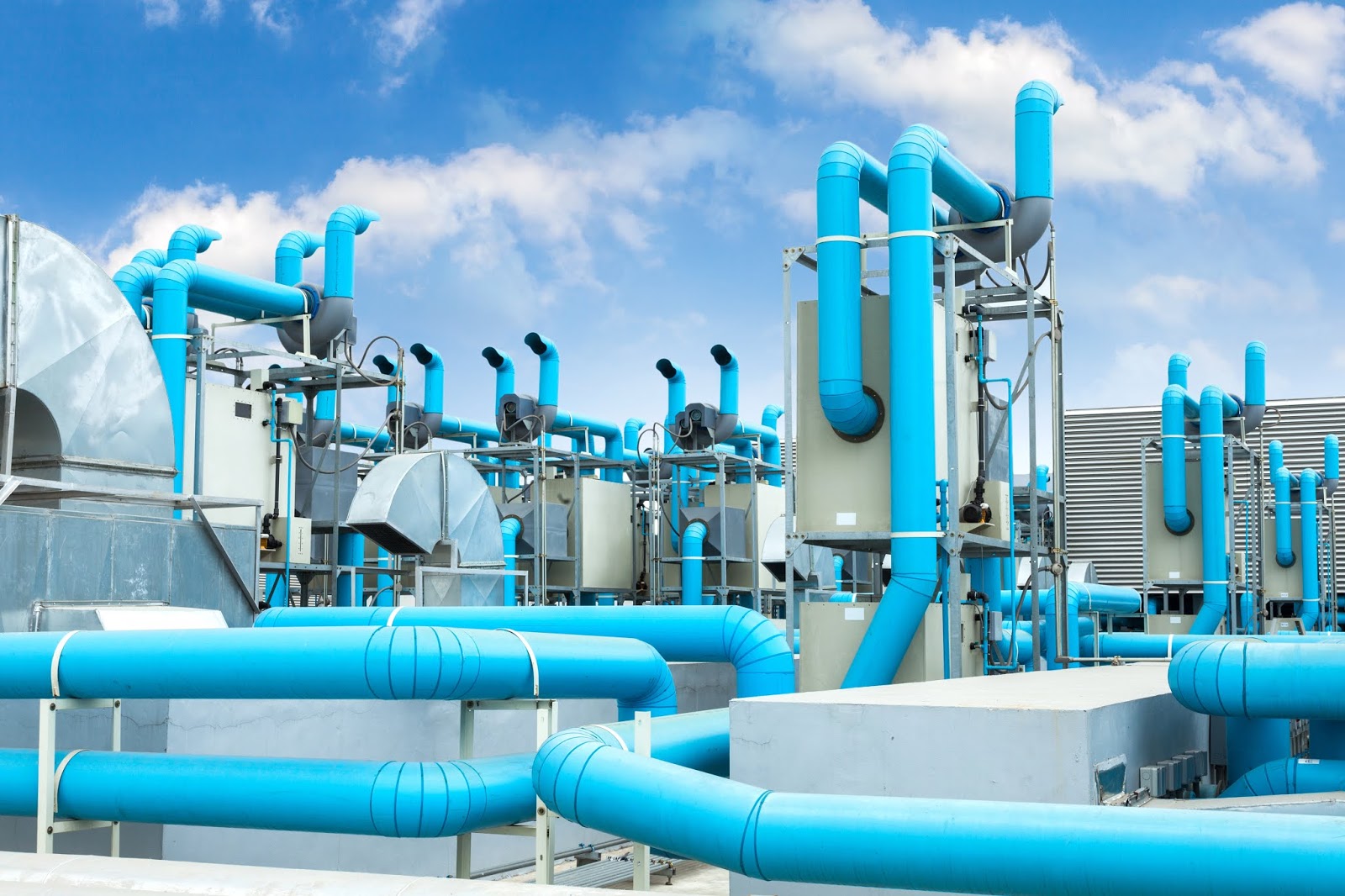
Why Rooftop is the Perfect Location for Your HVAC System?

Rooftop AC units are highly popular and preferable to single, ground-level systems by those in-the-know. With a modular rooftop HVAC system, it’s easy to cool your commercial space reliably, however, this is far from the only benefit of rooftop HVAC. Modular commercial air conditioning solutions are far different from residential units, offering distinct advantages despite their seemingly bizarre location.

Rooftop Units Offer Flexibility to Adapt to Changing Priorities

Modular rooftop units allow your business to quickly and easily adapt to changing needs, making alterations for new tenants or changes to operations with little fuss. Add or subtract units, adding heating or cooling as needed. No ductwork removal or system replacement necessary. Simply add or remove a modular unit, locating each unit just where needed to reduce the overall length of ductwork additions, reducing heat loss, and duct cleaning costs.

Rooftop Designs Allow for Easier Efficiency Improvements

Modular rooftop units include an array of efficiency-enhancing technology. Choose options that run on electricity or natural gas. Create a zoned system for superior temperature control and performance. Or incorporate features such as fresh air dampers (FAD) into the design of your rooftop system. Located within the ductwork, these flaps allow cool outside air to mix with conditioned air, enabling you to vary the volume of airflow through ductwork based on your specifications.

Rooftop Systems are Easier to Access for Maintenance

Commercial HVAC service companies know rooftop units are much easier to access than indoor units, which are often stuffed into closets and storage spaces in the commercial environment, surrounded by workspace clutter.

Rooftop Systems Require Less Maintenance

Rooftop units are exposed to less dust, greenery, and trash, minimizing maintenance.

Rooftop Systems Minimize Disruptions

Local HVAC contractors can work on a rooftop unit without disrupting your business with ladders, tools, parts, and the activity of repair. This out of the way location also minimizes the noise from system operation.

The Rooftop Locale Saves Valuable Space

Rooftops offer ample space for expansion without robbing valuable real estate at ground level or indoors. Components are located out of the way, where they won’t interfere with workplace activities.

Rooftop Systems are Secure

The rooftop environment better safeguards your system against theft, vandalism, damage from vehicles and fallen limbs, and more.
Raise your expectations. Learn more about the benefits of a modular rooftop system from H & H Commercial Services today.

Friday, 24 January 2020

Tips for Extending the Life Span of Your Commercial Heating System

How can you maximize the lifespan and reduce maintenance on your commercial heating system?  A few simple procedures once a month can reduce repair needs and cost over the life of your system, and extend its life. As an added bonus, these easy tasks can also save energy, reducing your business’ carbon footprint. Sadly, only one-third of businesses fail to perform these easy tasks.

How Can You Extend the Life of Your Commercial Heating System?

  1. Have a maintenance plan.
    Whether you handle basic AC maintenance in-house or prefer signing up for regular maintenance service with your local commercial HVAC service contractor, routine annual maintenance is crucial to the health of your system. Every missed maintenance equates to money lost – money that could have been reinvested into your business.
  2. Add monthly maintenance to your business calendar.
    Set aside one day each month to perform HVAC maintenance tasks – and stick with it. Keep a log of maintenance performed, including:
    • Checking & replacing the air filter
      A high-quality air filter can minimize indoor air quality problems related to dust, mold, and allergens. These include issues that affect the health and performance of your employees, and the health and performance of your system. Ensure well-being by checking your filter monthly. Once it is dirty, it should be replaced immediately, at least once every 6-months. When you do change it, keep a log, recording its condition with photos if possible.
    • Verify the cleanliness of coils & clean them when necessary
      Once the filter is changed, visually inspect evaporator coils for the accumulation of dust, dirt, or mold. This is a high-moisture environment, prone to such issues. Following this, examine the condenser coils located in your outside unit. If one (or both) appears dirty, schedule a professional cleaning. To avoid costly system damage, this job is best left to professionals. Log any activity for later reference.
    • Keep the area surrounding your system clean
      Your system relies on adequate airflow for optimal performance. Each month, when you’re checking other system components, ensure the areas surrounding key system components are clear. Return registers should be unhampered by furniture, trash, or other debris. Your outdoor components should also be clear of grass, weeds, leaves, and trash that can stick to the motor or fan blades.
  3. Schedule an annual inspection.
    Scheduling an annual maintenance inspection in the fall, before your system undergoes the stress of winter weather extremes, is crucial. A heating professional can ensure your system is running safely and efficiently. Furnaces can be checked for proper combustion and ventilation, ensuring your staff is safe from carbon monoxide dangers. Ducting can be checked for leaks to ensure optimal system performance. System components, ductwork, and dampers can be checked for dirt accumulations that can negatively impact efficiency and indoor air quality. Potential issues can also be headed off at the pass, preventing the need for inconvenient and costly emergency commercial HVAC repairs later.
Keep your commercial heating unit in tip-top shape, reducing breakdowns and boosting energy efficiency. Schedule your annual maintenance check with H & H Commercial Services today.

Monday, 13 January 2020

5 Mistakes you are making with your Commercial HVAC & How to Avoid

Your commercial heating and cooling system provide many business benefits, ensuring the comfort of employees and clients and helping you provide a safe, healthy work environment. However, commercial systems are unlike their more familiar residential counterparts, causing many system owners and operators to make mistakes that lead to the need for more frequent maintenance and repairs.

Are You Making These 5 Common Commercial HVAC Mistakes?

  1. Insufficient space surrounding the system.
    Knowledgeable HVAC mechanical contractors know your HVAC system needs space to function properly – at least 2 feet surrounding the system, regardless of its location. Without this necessary space, your system will be forced to work much harder than it should, shortening its lifespan.
  2. Constant thermostat adjustments.
    Constantly fiddling with the thermostat setting is a common problem in American workspaces. This creates issues on multiple fronts. First of all, it leaves most of the inhabitants of your building uncomfortable as they struggle to manage a continually changing indoor climate. Second, it is a tremendous energy waster. And lastly, it forces your system to work harder and more frequently than it should. If your business suffers from “thermostat wars,” talk to your commercial HVAC company about the benefits of adding a smart thermostat with a lock to prevent these issues.
  3. Incorrect system sizing.
    If the HVAC equipment servicing your place of business is not the right size for the space, you’ll experience comfort issues. Systems that are too small cannot keep up with the temperature control needs of large spaces. Oversized systems also suffer significant problems, such as frequent cycling off/on, and poor humidity control that can lead to larger moisture issues in your business.
  4. Improper ducting.
    Like your system, your ductwork must be correctly sized to distribute air effectively. You cannot simply attach a new unit to old ductwork and achieve proper airflow/ventilation, nor can you replace ducts and expect your older system to accommodate the change. All system components must be expertly sized to work together successfully.
  5. Neglected maintenance.
    These common commercial maintenance issues can cost you a great deal of money, robbing you of the opportunity to reinvest funds back into your business:
    • Dirty air filters
      Dirty air filters expose your customers and staff to allergens, bacteria, and other contaminants. Worse, this buildup forces your system to work harder, destroying performance and efficiency.
    • Improper cleaning routine
      Failing to clean and maintain drainage components can lead to mold and bacteria proliferation. If water (or sludge) accumulates and freezes, fluids can also back up, creating severe structural damage.
    • Repairing an ancient system
      Paying for frequent repairs to an ancient system is an unwise investment. If your system is more than 15-20 years old, the money you’re spending on repairs and energy to run an inefficient system could be more effectively invested in a new Energy Star model.
It’s not too late to correct your mistakes. Solve these common commercial HVAC issues before they become a costly problem with the help of the commercial air conditioning contractors at H & H Commercial Services today.

Friday, 10 January 2020

Considering a Heated Pool? Here is What You Should Know

Indoor heated pools offer year-round enjoyment, whether you have one at our hotel, gym, or residence. However, proper indoor pool humidity control and water temperature are crucial to an enjoyable experience. Ensure you make the most out of your indoor swimming pool with these tips for those new to natatoriums.

5 Things to Consider with a Heated Pool

  1. Heating technique
    You have several options for maintaining proper water temperature. These often differ from residential to commercial settings, as pool size and room size are factors in choosing the best method. Larger pools (and pool rooms) require more energy to heat.
  2. Pool location
    Your geographic location will significantly affect your optimal system type. Locales with year-round warmer weather will have far more moderate needs than pools located in cold environments with harsh winters. Choosing the best pool dehumidifier with a pool water heating assist feature can help you meet these needs during normal conditions. However, additional resources may be necessary to counteract the effects of temperature extremes, such as a dedicated heater that runs on natural gas, liquid propane, or electricity.Which heating system style offers the most cost-effective heating? In general, liquid propane systems are best, however, energy costs vary by region, which could make an electric heat pump system a more savvy solution. Your local HVAC mechanical contractor can help you identify the most cost-effective solution for your natatorium.
  3. Evaporation
    Heated pool water is best kept 2-4°F below pool room air temperature to control the rate of evaporation. Dectron dehumidifiers that channel heat from the refrigeration cycle back to the pool room, repurposing heat to warm the room or the pool, are a great way to use equipment to your advantage in this regard. These systems, with optional pool water heating, assist option, allow you to regulate water temperature for the cost of running the dehumidifier alone, reducing energy expenses.These systems, which generate heat during the dehumidification refrigeration cycle, can repurpose produced heat to maintain pool room air and water temperature. These systems work best for heating pools with large surface areas, and in warm climates. Here, outdoor conditions overheat the natatorium, and the dehumidifier can also serve to cool the room, much like an air conditioner. This form of ‘heat recovery’ negates the need for a dedicated water heating source certain times of the year, providing substantial energy savings.
    Dehumidifiers also control mold, mildew, and corrosion, reducing moisture content in the air, and preserving comfort and air quality.
  4. Frequency of use
    If you have an outdoor pool, your indoor pool may be used less in the warmer months. In this instance, choosing a commercial heating system you can easily adjust can significantly reduce energy expenses during these times.
  5. Pool activities
    Pools used for exercise require a far lower temperature than those for more relaxing or therapeutic experiences, such as senior care, varying from 78°F to as high as 88°F
Sweating pool heating bills? Find an affordable, effective natatorium comfort solution with the help of H & H Commercial Services today.