Wednesday, 24 October 2018

Is Improper Maintenance Effecting The Indoor Air Quality In Your Hospital?

Healthcare facilities that excel at controlling hospital-acquired infections (HAIs) understand how integral heating, ventilation and air conditioning is to maintaining indoor air quality (IAQ). Vital for the health of patients and staff, to maintain the highest levels of IAQ, timely commercial heating and cooling repair and maintenance are key to upholding the strict industry standards surrounding hospital HVAC equipment. Is your facility helping or hindering the propagation of infectious agents with its current HVAC practices?


Failure to Maintain Air Quality leads to Increased Hospital-Acquired Infections

Commercial Heating And Cooling RepairCommercial HVAC contractors in Philadelphia know temperature and humidity are key facets of indoor air quality. As warmth and humidity increase, so to do the presence of bacteria, viruses, fungus. A cool yet comfortable temperature and low relative humidity between 30-60%, kept in check with the aid of your heating and cooling system and a Dectron dehumidifier, are crucial. Without proper care and maintenance, these systems can put vulnerable patients at risk. The CDC estimates hospital-acquired infections occur in 5-10% of U.S. hospital patients annually, infecting 1.7-million, taking the lives of 99,000 people, and resulting in $20-billion in healthcare costs. Are you skimping on HVAC maintenance that threatens the safety of patients, leaving you liable for legal and reputational backlash?

A Properly Maintained HVAC System Prevents the Spread of Infection

With the crucial role temperature and humidity play in this regard, proper HVAC function in all areas of a hospital, but most importantly, within operating and clean rooms, cannot be overstated. Poorly maintained systems may be unable to maintain the temperature and humidity levels necessary to minimize bacterial growth. To prevent dangerous pathogens from building up within HVAC system components and ductwork, or taking hold when your system isn’t performing up to par, regularly scheduled service and maintenance are integral. Commercial heating and cooling contractors are on the frontlines of the battle against hospital-acquired infections, keeping systems operational and clear of mold and organism growth that can lead to hazardous indoor air quality. Such preventative maintenance also helps spot issues before they arise, preventing downed HVAC equipment from threatening the health and safety of patients and staff, and reducing the likelihood of relying on emergency HVAC service to restore comfort and safety in the event of system malfunction.

Servicing Hospital HVAC Systems Requires Specialized Expertise

Commercial HVAC systems, particularly the often highly-customized setups of hospitals containing high-level HEPA air filters, UV light air purification, and dehumidification systems, require the keen insight of a skilled professional. To ensure the health and safety of your patients and staff, trust in the skilled staff at H&H Commercial Services, the best commercial HVAC company in NJ. With 29-years in the industry, our knowledgeable, experienced technicians are equipped to handle the intricacies of any commercial setup.

Experience our winning services first-hand, whether you’re in need of 24-hour emergency service, or are ready to safeguard your system and hospital inhabitants with a customized preventative maintenance plan. Contact H&H Commercial Services to learn more today.

This post originally appeared on: https://hhcommercialonline.com/improper-maintenance-effecting-indoor-air-quality-hospital/

Thursday, 18 October 2018

What You Need To Know About New Efficiency Requirements For Rooftop Units

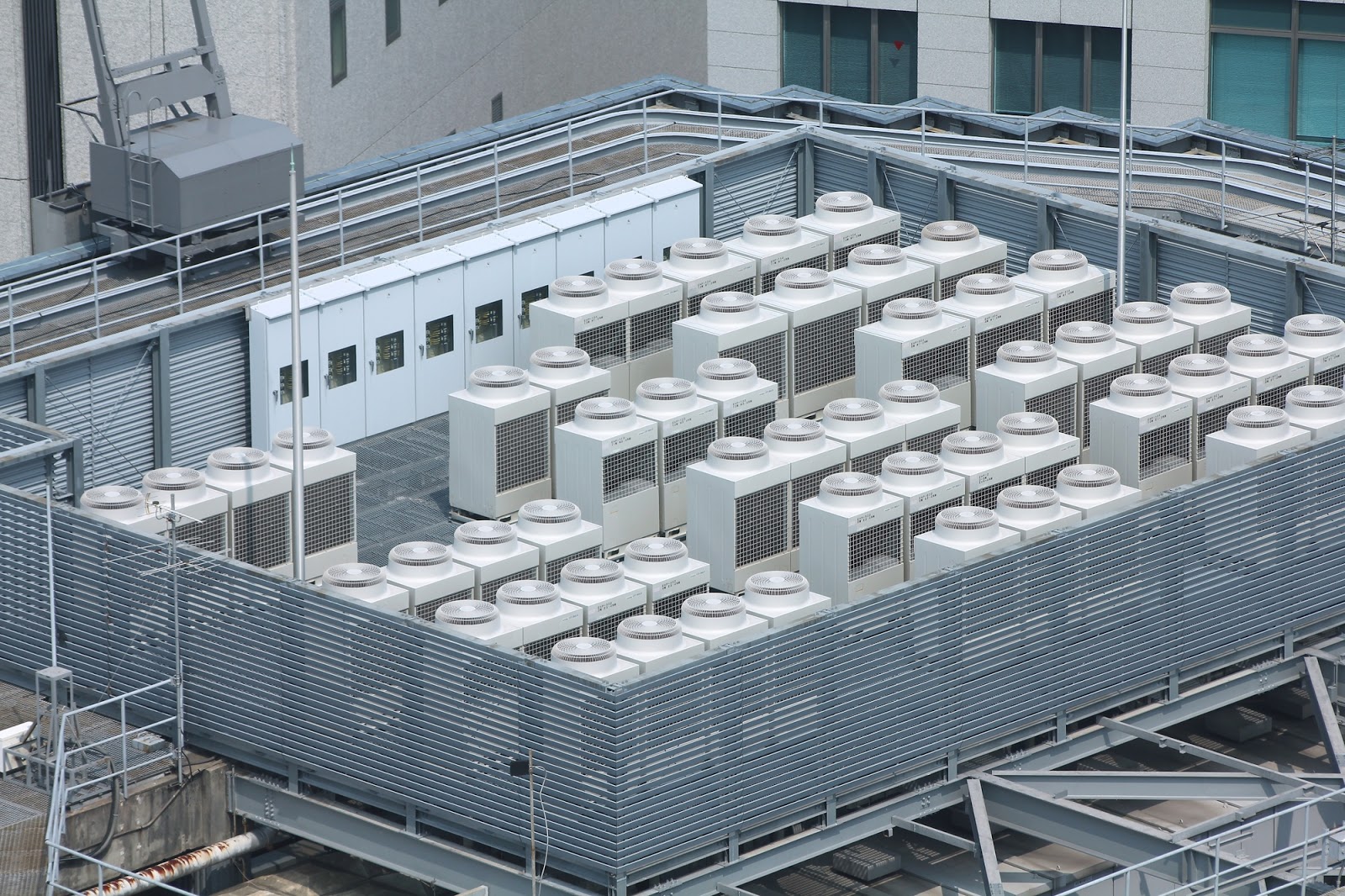
Commercial HVAC contractors in Philadelphia know, staying abreast of changing HVAC codes and standards is a challenge for any business. However, as the public drive for decreasing carbon footprint forges on, new 2018 U.S. Department of Energy (DOE) mandates for efficiency in commercial rooftop units continue to evolve to reduce HVAC energy use, which is responsible for 50% of all energy utilized in commercial and residential buildings across the country.

How Will Upcoming Efficiency Regulations Effect Your Commercial ­­Business?

Awareness and understanding of government, trade association, and local utility regulations are essential to your business. Announced back in 2015, HVAC commercial contractors are aware the time for DOE compliance guidelines to go into effect has come and gone, effective January 1st, though many commercial businesses find themselves surprised by the new standards. What are the new rooftop regulatory efficiency requirements, and how will they affect your commercial business? 

  • New Efficiency Requirements will Effect a Number of Industries.

    Including retail stores, educational facilities, hospitals, and more, including commercial heating and air conditioning rooftop units (RTUs) and systems for low-rise buildings.

  • The New Efficiency Requirements are Being Introduced in Two Phases.

    Phase one is in effect now. Phase one requires commercial rooftop units to improve efficiency by 10%  Phase two will come into play in 2023, when all RTUs and warm-air furnaces must be 30% more efficient than current standards.

  • Performance Ratings will Shift from SEER to IEER Ratings.

    Instead of the SEER (Seasonal Energy Efficiency Ratings) previously used to evaluate performance, new IEER (Integrated Energy Efficiency Ratio) ratings will now be used. What’s the difference? IIER will measure how a unit performs over the course of the season, rather than solely the coldest and hottest days of the year.

  • Specific Performance Requirements Vary by State.

    Making it essential to verify with state-specific DOE requirements to ensure compliance.

  • New Technology is Popping Up to Meet these Increased Efficiency Requirements.

    Ask commercial HVAC contractors in NJ about new multi-speed blower and condensing fan technology, larger coil heat exchangers, modulated compression, modified controls, and other technology that can help new rooftop systems meet - and surpass – upcoming efficiency requirements. Though such higher efficiency systems will cost more on initial purchase, their lower operating cost will make up for the added expense in energy savings over time.

  • New Performance Requirements will Drastically Cut Energy Use.

    Over the next 30 years, the new performance requirements are expected to reduce HVAC energy use by 1.7 trillion kWh, leaving an average of $7,000 in the pockets of building owners nationwide over the lifespan of their commercial rooftop systems.

Looking for a commercial HVAC repair service that can help you ensure compliance and avoid legal issues? H&H Commercial Services has experience across a range of industries and is up-to-date on the latest industry regulations affecting your business. Don’t wait. Reduce energy costs and ensure compliance with the help of H&H Commercial Services today. 

Saturday, 29 September 2018

Is Your Business A Commercial Energy Hog?


Commercial businesses consume energy in much the same fashion as homes, guzzling electricity to power heating and cooling, lighting, electronics and appliances. Already consuming 41% of the power produced in the U.S. according to 2014 figures from the National Academies of Science, Engineering, and Medicine 2014 statistics, energy consumption in these sectors is expected to rise 13% in the U.S. the next 20-years, while globally it will inflate a staggering 44%, taxing the earth’s natural resources. Is your business doing its part to staunch the flow, or carelessly contributing the world’s ‘carbon footprint’ problem?

Commercial Energy Hog

Is Your Business a Commercial Energy Hog?

Commercial HVAC contractors in Philadelphia get a lot of questions from customers concerning the ‘normalcy’ of their energy expenditures and ways to reduce energy use. Though the usage of the commercial sector varies slightly by industry, whether your business is a medical, office, hotel, retail, sports, educational, religious, or governmental establishment, the biggest energy user of the commercial sector by far is heating and cooling, adding up to over half of your monthly and annual energy expenditures> Nearly all of this energy is provided by electricity (53%) and natural gas (39%), which powers 92% of the energy needs of U.S. businesses.


Top Energy Consumers in Commercial Buildings

The U.S. Energy Information Administration 2012 Commercial Buildings Energy Consumption reveals what’s consuming the most commercial energy, including:
  • Space heating 25%
  • “Other” 13%
  • Ventilation 10%
  • Refrigeration 10%
  • Lighting 10%
  • Commercial cooling 9%
  • Computers/office equipment 8%
  • Water heating 7%
  • Cooking 7%


Industries Consuming the Most Energy

As taken from the U.S. Department of Energy Efficiency and Renewable Energy Report:
  • Offices: 19%
  • Retail/Malls: 18%
  • Education: 8%
  • Healthcare: 8%
  • Storage/Warehouses: 7%
  • Hotels/Lodging: 7%
  • Food Service: 6%
  • Food Sales: 5%
  • Public Assembly: 5%
  • Service: 4%
  • Church/Worship: 2%
  • Public Order/Safety: 2%


How Concerned Should You Be About Your Business’ Kilowatt Consumption?

Though the global need for energy is rising, America’s energy expenditures could be far worse. Federal and state appliance efficiency standards, in-effect since the 80s, have realized dramatic improvements, particularly with former energy gluttons including HVAC, water heaters, and refrigerators, as have improvements in the lighting arena including more affordable LED lighting options. Minimum efficiency standards have also reduced the use of energy consumed by commercial equipment considerably.
  

Tips for Reducing Energy Costs & Leaving a Smaller Carbon Footprint

Been a while since you scheduled necessary commercial heating and air conditioning repair and maintenance? Your heating and cooling needs may be costing your business and the environment even more than these statistics suggest. Learn more about ways to reduce the consumption of your business’ largest energy consumer with these HVAC tips for reducing energy costs. In addition, when upgrading appliances or your facilities, be on the lookout for these logos:
  • Energy Star

    Energy Star labels not only energy efficient products – but energy efficient buildings. Does yours qualify?
  • LEED

    The most widely-used green building rating system worldwide.
Looking for new ways to lower your carbon footprint and reduce your annual energy expenditures? Schedule commercial HVAC repair and service and learn more about commercial energy audits from the industry experts at H&H Commercial Services today.  

Friday, 28 September 2018

Desert Aire - The Best in Pool Dehumidification Solutions


Steamy swimming situation? For pool rooms experiencing humidity issues, a Desert Aire indoor pool dehumidifier offers an ideal solution, preserving the comfort and air quality of your pool room, as well as its structure, furnishings, and equipment.


Why Desert Aire?

A recognized leader in the dehumidification arena, Desert Aire has an in-depth understanding of humidity issues. With application expertise across a range of industries, Desert Aire provides dehumidification solutions not only for indoor pool environments, but in an array of industries, solving humidity control issues from library and art archivation to water/wastewater treatment environments and grow room/indoor farming setups. In the indoor pool arena, Desert Aire systems are known for their reliable around-the-clock operation, accurate humidity control, superior efficiency and minimal maintenance needs. Providers of commercial HVAC in Philadelphia also know in addition to its stellar dehumidification systems, Desert Aire’s customer service reputation also shines, truly listening and taking into account customer needs and putting their industry expertise to use to provide a team approach to solving dehumidification challenges.

Is a Desert Aire Pool Dehumidification System Right for You?

No two indoor swimming facilities are alike. Used for recreation, competition, exercise, therapy, and relaxation, each has its own unique footprint and challenges. If your natatorium is suffering from these signs of humidity control problems, such as comfort control, air quality, and furnishing and structural deterioration issues, a Desert Aire system could provide the ideal solution. Combining engineering expertise, advanced technology, and focused support, Desert Aire systems can help you live, work, or play in a healthier, more productive pool environment, with proven technology and customized solutions tailored to fit your natatorium’s unique needs.

Which Desert Aire Pool Dehumidification System Suits Your Swimming Setup?

Schedule a complimentary consultation from a qualified HVAC contractor at H&H for help determining which Desert Aire system might be best for your indoor pool room. Desert Aire dehumidification systems are designed to work in harmony with water, air quality and temperature control systems to protect the health of building occupants as well as the structural integrity of the pool room and surrounding buildings. Desert Aire offers dehumidifiers and dehumidifying equipment engineered to suit every environment, including:
  • ExpertAire™ Series Commercial Dehumidification Systems

    Experte Aire Horizontal (LC) and Vertical (LV) series dehumidifiers provide the highest Moisture Removal Efficiency (MRE) ratings on the market, with the ability to regulate the introduction of outdoor air to save energy.
  • SelectAire™ (SA) Series Dehumidification Systems

    SA Series dehumidifiers can help you meet your most challenging moisture issues. Unique, modular engineering provides flexible design possibilities and custom tailored solutions.
  • SelectAire Plus™ (SP) Dehumidification Systems

    SP Series dehumidifiers are engineered for large 50-meter pool applications. Incorporating SA system energy recovery technology, SP systems add state-of-the-art features capable of achieving unparalleled humidity control. With a heat pipe, cutting-edge fan design, and next-generation control features housed in superior cabinetry, SP systems tout the highest Moisture Removal Efficiency (MRE) in the industry.
Pool room humidity problems? We’ve got you covered, providing the latest in professional residential and commercial pool room humidity control systems and design. Contact H&H Commercial Services, your pool dehumidification expert, today.