Showing posts with label commercial heating and air conditioning. Show all posts

Thursday, 18 October 2018

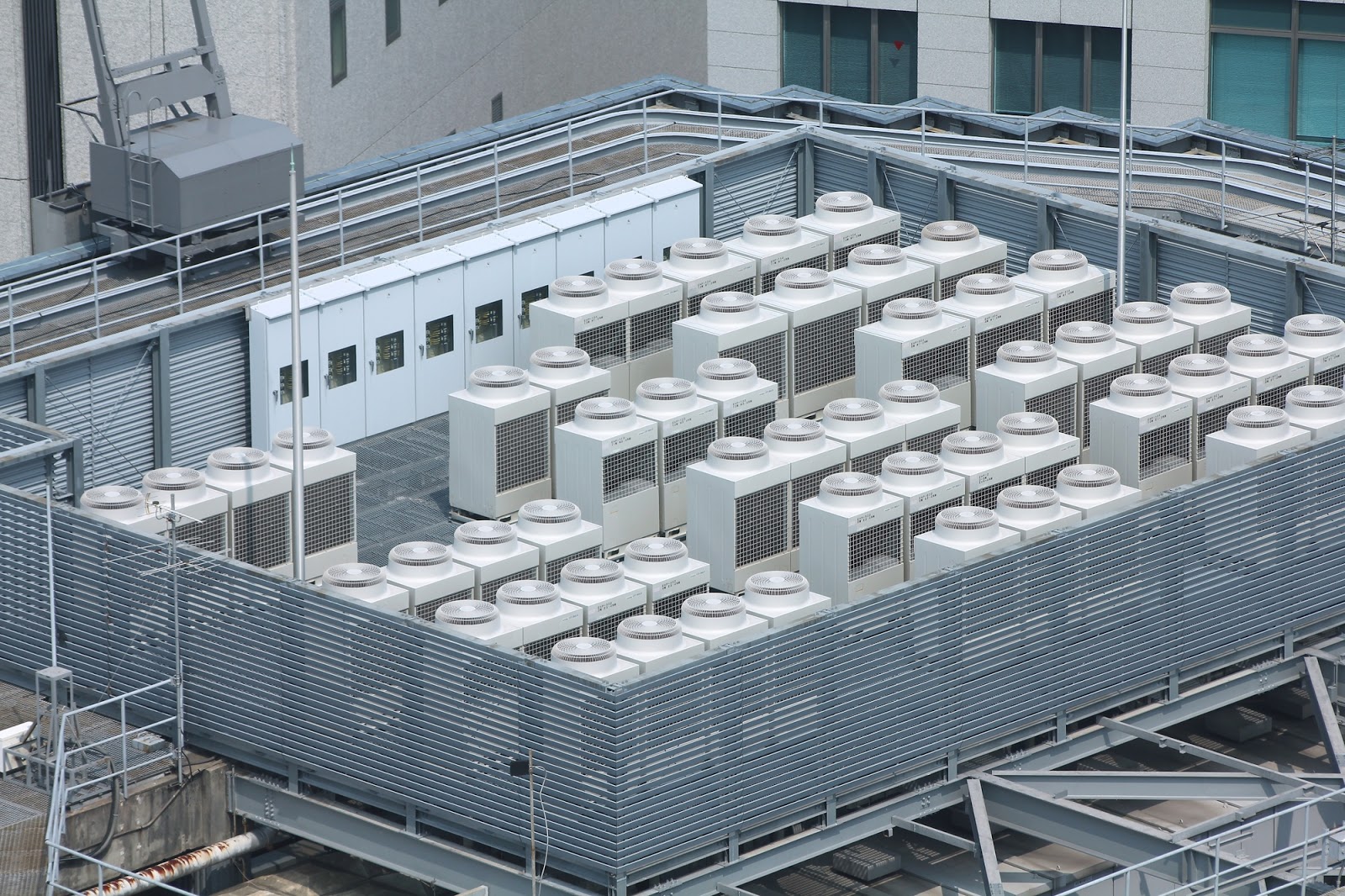
What You Need To Know About New Efficiency Requirements For Rooftop Units

Commercial HVAC contractors in Philadelphia know, staying abreast of changing HVAC codes and standards is a challenge for any business. However, as the public drive for decreasing carbon footprint forges on, new 2018 U.S. Department of Energy (DOE) mandates for efficiency in commercial rooftop units continue to evolve to reduce HVAC energy use, which is responsible for 50% of all energy utilized in commercial and residential buildings across the country.

How Will Upcoming Efficiency Regulations Effect Your Commercial ­­Business?

Awareness and understanding of government, trade association, and local utility regulations are essential to your business. Announced back in 2015, HVAC commercial contractors are aware the time for DOE compliance guidelines to go into effect has come and gone, effective January 1st, though many commercial businesses find themselves surprised by the new standards. What are the new rooftop regulatory efficiency requirements, and how will they affect your commercial business? 

  • New Efficiency Requirements will Effect a Number of Industries.

    Including retail stores, educational facilities, hospitals, and more, including commercial heating and air conditioning rooftop units (RTUs) and systems for low-rise buildings.

  • The New Efficiency Requirements are Being Introduced in Two Phases.

    Phase one is in effect now. Phase one requires commercial rooftop units to improve efficiency by 10%  Phase two will come into play in 2023, when all RTUs and warm-air furnaces must be 30% more efficient than current standards.

  • Performance Ratings will Shift from SEER to IEER Ratings.

    Instead of the SEER (Seasonal Energy Efficiency Ratings) previously used to evaluate performance, new IEER (Integrated Energy Efficiency Ratio) ratings will now be used. What’s the difference? IIER will measure how a unit performs over the course of the season, rather than solely the coldest and hottest days of the year.

  • Specific Performance Requirements Vary by State.

    Making it essential to verify with state-specific DOE requirements to ensure compliance.

  • New Technology is Popping Up to Meet these Increased Efficiency Requirements.

    Ask commercial HVAC contractors in NJ about new multi-speed blower and condensing fan technology, larger coil heat exchangers, modulated compression, modified controls, and other technology that can help new rooftop systems meet - and surpass – upcoming efficiency requirements. Though such higher efficiency systems will cost more on initial purchase, their lower operating cost will make up for the added expense in energy savings over time.

  • New Performance Requirements will Drastically Cut Energy Use.

    Over the next 30 years, the new performance requirements are expected to reduce HVAC energy use by 1.7 trillion kWh, leaving an average of $7,000 in the pockets of building owners nationwide over the lifespan of their commercial rooftop systems.

Looking for a commercial HVAC repair service that can help you ensure compliance and avoid legal issues? H&H Commercial Services has experience across a range of industries and is up-to-date on the latest industry regulations affecting your business. Don’t wait. Reduce energy costs and ensure compliance with the help of H&H Commercial Services today. 

Wednesday, 22 August 2018

Which Type of Pool Room Dehumidifier is Best for My Natatorium?


A temperamental environment, indoor pool humidity control is an essential component of every natatorium. Without the addition of a dehumidification system, facilities would be nearly unbearable to use and short-lived due to moisture issues. Most indoor pool owners have little insight into the function of these systems, however, making it difficult for them to ensure the dehumidification needs of their pool room are met, putting natatorium lifespan at risk.

A Plethora of Pool Room Factors

indoor pool humidity control Complicating this process, a wide array of factors impact pool room comfort and dehumidification system performance. External temperature and humidity, water temperature, occupancy, and more can all impact relative humidity (RH) levels in the pool room. Best kept in the 50-60% RH , 84-degree F water temperature, and 82-degree room temperature range, humidity and evaporation must be carefully managed, with special attention paid to air circulation patterns integral to controlling humidity, evaporation rate, and condensation formation.

Which Dehumidification System Best Manages Humidity & Temperature in my Natatorium?


Balancing comfort, cost, and appearance involves compromise…
  • Ventilation-Based Dehumidifiers

    Ventilation-based dehumidifiers use outside air to remove moisture. Installation complexity and up-front costs are lower with these systems, however they come with limitations. In the summer, temperature and humidity control are limited, and can only be maintained within +/-30% from setpoint, making it difficult for these systems to cool below ambient temperature in the summer. Ventilation-based systems are also less efficient than mechanical dehumidification systems, particularly in the winter. In areas with cold winters and short, hot summers, your commercial HVAC service provider can improve efficiency with an air-to-air heat recovery addition. This can reduce space heating requirements in the winter by 50% - albeit at the expense of a 25-30% higher system installation.
  • Mechanical Dehumidification Systems

    Mechanical dehumidification systems, such as the Dectron dehumidifier, operate much like conventional HVAC units, but with an added function: A heat pump cycle capable of reclaiming heat energy created during dehumidification for re-use in both heating pool water and/or controlling natatorium climate. Though a higher initial investment than ventilation-based dehumidifiers, this added functionality equates to lower operational costs over the life of the equipment, as most pools require heating throughout the year, and these systems provide it without the need for an auxiliary heating system. In regions with long hot seasons and high humidity, commercial heating and air conditioning contractors often recommend mechanical systems as a more practical choice. They dehumidify on cooler days, maintaining setpoint humidity levels regardless of outside conditions without the limitations of ventilation-bases systems. They can also provide ventilation as needed, as well as offer the ability to recycle waste heat for efficient re-use in the winter with the addition of a pool water condenser, and the capacity to reject waste heat and cool natatorium space in the summer for superior year-round comfort.
Ensure a pool dehumidification and environmental control system specially designed to meet your natatorium’s unique needs. Contact H&H Commercial HVAC in Philadelphia to learn more about available systems and uncover which system offers the best fit for your pool room and budget today.