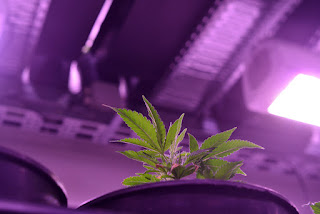
Thursday, 7 October 2021

Light Commercial HVAC: A Step ahead towards Future

HVAC systems are usually divided into two classifications: commercial and residential. Obviously in a home, you would use residential equipment. In a large commercial building, you’d use commercial equipment. But what about smaller business buildings that fall somewhere between homes and larger commercial spaces?

Many doctors’ offices, restaurants, and boutique stores fit into this category. The Commercial HVAC mechanical contractors call these spaces as being “light commercial” buildings, and there are a few particular types of HVAC systems that work well in such settings.

Packaged HVAC Systems

One type of system commercial HVAC service companies often recommend for light commercial use is a packaged HVAC system. These systems place all of the various components of an HVAC system inside one big box. The AC condenser, furnace, and circulating fan are all in the same casing. The only other component of the system is the ducts that run through the space.

Packaged HVAC systems are convenient because they can be placed on the roof. They are also available in a range of sizes, the smaller of which are suitable for the average restaurant, shop, or dental office.

Single Split Systems

Another type of light commercial HVAC system is the single split system. These HVAC setups consist of a separate air conditioner and furnace evaporator coil. Both of these units work in the same way — by moving heat from one side of the wall to the other. The air conditioner moves heat from the inside, out. The furnace moves heat from the outside in.

Single split systems are quite affordable and work well for commercial spaces that consist of a single room. They’re also easy for commercial heating and air conditioning repair contractors to work on. The furnace and air conditioner are separate, so you can have one replaced or repaired without worrying about the other.

Geothermal Systems

Geothermal heating systems work by circulating water or a refrigerant through pipes that run below ground. In the summer, they discharge heat into the ground. In the winter, they collect heat from the ground.

Geothermal systems work well for some light commercial businesses because they’re very energy-efficient. They can keep heating and cooling costs down and help businesses meet green and eco-friendly standards. Some geothermal systems can even supply hot water at the same time, so you get a furnace, air conditioner, and water heater all in one. This can be a more affordable choice in the long run.

If you need to heat and cool a light commercial space, you certainly have options. It is important to assess the size of your space, your budget, and your layout in order to choose the HVAC system that’s the best fit. At H & H Commercial Services, Inc., our commercial HVAC repair and service technicians will help you choose a great system for your space. Contact us today to schedule an appointment.


This blog was originally posted at https://hhcommercialonline.com/light-commercial-hvac-a-step-ahead-towards-future/

Friday, 24 September 2021

IEQ: Is Your Building Safe?

IEQ, or indoor environmental air quality, is taking on increasing importance. In the past, issues related to IEQ flew under the radar – issues like Sick Building Syndrome. But today, IEQ is at the forefront of daily concerns due to a rise in climate-related issues such as fires, and most recently, the coronavirus.

Some businesses and organizations like to think this problem is easily solved with the addition of an air purifier or upgraded AC filter. But knowledgeable HVAC commercial contractors know IEQ and the way it relates to the health of building occupants involves more than air quality. A comprehensive IEQ plan includes temperature, sound, lighting, and many other factors.

How Can You Improve the IEQ in Your Building?

  • Schedule a Professional Assessment to ID Invisible Threats

While leaks and physical damage are easy to see, environmental issues like indoor air quality noise pollution are not. Fortunately, skilled commercial HVAC mechanical services contractors can help you uncover hidden issues, offering potential solutions such as:

    • Improving building exhaust systems to remove harmful contaminants from workrooms, kitchens, and restrooms
    • Introducing fresh air with the help of mechanical ventilation
    • Upgrading filtration with a HEPA style air filter, air purifier, or air scrubber to remove airborne viruses, bacteria, mold, and other contaminants
    • Adding humidification/dehumidification technology to control humidity levels that can impact comfort and health

These assessments also offer the added bonus of uncovering HVAC mechanical and safety issues, including inefficiencies in your HVAC system, reducing energy consumption and unexpected bills for commercial heating repairs.

  • Follow Best Practices

Look to industry experts like the CDC and ASHRAE for guidelines on assessing and addressing the IEQ in your building.

  • Avoid Fast Fixes & One-Size-Fits-All IEQ Solutions

Default settings, like those on a smartphone or computer, do not work for most. Fine-tuning is required to manage the unique needs of your building and workers. Managing IEQ is not a once-and-done, quickly managed situation, like commercial HVAC repair and service. Industry recommendations will change, as will your daily needs. Like weight loss, continual monitoring and tweaks are essential.

  • Take a Proactive Approach to IEQ Challenges

Regularly assessing your IEQ needs and staying up to date on best practices give you a better chance to succeed against nature, microbes, and other contaminants. It shows your care about the well-being of occupants and protects you against health-related complaints and liability.

Ensure the health of occupants in your building with help from the best commercial HVAC service company Philadelphia. Contact H & H Commercial Services at 610-532-8745 to schedule a professional IEQ assessment today.


This blog was originally posted at https://hhcommercialonline.com/ieq-is-your-building-safe/

Friday, 10 September 2021

Desert Aire’s Dehumidifiers for Grow Rooms Are an Excellent Choice

Are you looking for an integrated solution to meet the temperature, humidity, and airflow control needs of your grow room? Eliminate the need to purchase separate air conditioning and dehumidification equipment with Desert Aire’s GrowAire solutions. We can design the perfect system for your unique setup. Learn why these systems are the solution of choice recommended by our commercial HVAC contractors.

Why You Need More than AC in Your Grow Room

To maintain optimal growing conditions in your grow room, you need more than simple temperature control. You also need equipment that accurately maintains not only moisture levels, but air movement to control humidity in an indoor grow room. This grand trifecta prevents the condensation of moisture on plants that can cause issues with mold, mildew, and fungus. These issues can significantly impact the health of your plants, limiting growth and affecting product quality, and impacting your revenue stream. Fortunately, with a proactive approach, you can avoid these climate control pitfalls, ensuring the perfect indoor growing climate.

Conventional air conditioners aren’t designed to control humidity with any accuracy. While you may be able to set your ideal room temperature, dehumidification remains a side effect of the cooling process – not its main purpose. Attempting to use your AC unit in this manner could lead to the need for frequent commercial heating and air conditioning repairs. While portable dehumidifiers may offer a bit of added help, this one-dimensional approach will never deliver the benefits of a fully integrated system offering precise environmental control.

Desert Aire’s Cutting-Edge Systems Provide Complete Climate Control

Desert Aire systems put control of the grow room environment at the touch of your fingers. In addition to temperature control, they allow you to precisely control discharge temperature. You can set your ideal dehumidification capacity and quickly respond to changes that can quickly occur in the indoor grow room environment. In addition, they can allow you to exhaust or intake outdoor air as needed to maintain the ideal setting for your plants.

High-quality, durable Desert Aire systems enable you to reliably create the predictable, stable grow room climate needed to achieve maximum yield while using energy efficiently. Which grow room dehumidification solution is best for your application?

  • Desert Aire GrowAire Systems

Enjoy complete indoor climate control, optimize growth and inspire the expression of desired crop qualities, and lower production costs with an energy-efficient GrowAire dehumidification system.

  • Desert Aire DriCure Systems

Take control of drying your cannabis, improving flower drying rates after harvest/before shipment with a DriCure dehumidification system.

Whether you have a greenhouse, drying room, grow room, or indoor farm, H & H Commercial Services can help you design the perfect integrated system to meet your needs. Contact us at 610-532-8745 to schedule a consultation today.


This blog was originally posted at https://hhcommercialonline.com/desert-aires-dehumidifiers-for-grow-rooms-are-an-excellent-choice/

Friday, 27 August 2021

Lower Cost of Production with Proper HVAC Setup for Grow Rooms

Don’t let caring for your cannabis crops burn a hole in your profit margin. Lower the cost of production with proper HVAC setup for grow rooms from the experts at H & H Commercial Services. Our grow room HVAC design experts have the industry knowledge you need to control energy costs while caring for your plants. Don’t settle for a sub-par system that has no chance of being energy efficient or worse – puts the health of your plants at risk. Ensure fast, consistent growth and healthy plants with a well-designed grow room climate control system.

The Right Size Grow Room HVAC System is Crucial for Cannabis Cultivation

Grow room HVAC systems must be properly sized to meet the needs of both sensible and latent loads, with the ability to modulate to meet the variable loads based on the life cycle of the plants. The impact of extremely low dew points must also be considered, as larger HVAC systems are a must to meet the latent load parameters necessary for precise grow room climate control. In some cases, systems may need to be sized up to twice as large as would normally be needed for other businesses with the same square footage.

A Grow Room Dehumidification System is a Critical Ally 

CO2, grow lights, and irrigation creates moisture as a byproduct. But in grow rooms, excess moisture is the enemy, making grow room humidity control crucial to combatting mold and disease and raising healthy, thriving plants. Commercial dehumidification systems from brands like Desert Aire are the perfect addition to your grow room HVAC system setup. An integrated HVACD (heating, ventilation, air conditioning, and dehumidification system) offers gains in efficiency and performance that are unsurpassed by that of standalone dehumidifiers, easily managing the critical variables of both sensible and latent loads. HVACD systems also reduce energy requirements, using energy recovery techniques to reduce electricity consumption.

Utility Rebates Make Grow Room HVAC Installation Affordable

Because reducing energy consumption and controlling greenhouse gas emissions is a primary goal across the nation, many incentives exist to help business owners mitigate the costs of installing energy-efficient grow room HVAC systems. Many utility companies offer rebates for updating to more energy-efficient designs. Our team specializes in helping businesses reap these incentives, designing highly efficient systems to meet their needs at the lowest operating costs, ensuring a rapid return on investment.

Looking for ways to reduce grow room energy costs while maintaining your crops? Our HVAC mechanical contractors have the expertise and industry knowledge to tailor an energy-efficient climate control system to meet the unique needs of your operation. Contact H & H Commercial Services to schedule a complimentary system design consultation and installation estimate today.


This blog was originally posted at https://hhcommercialonline.com/lower-cost-of-production-with-proper-hvac-setup-for-grow-rooms/

Friday, 13 August 2021

What are the differences between air conditioners and dehumidifiers?

About to call your commercial HVAC service company because of your uncomfortable, sticky work environment, but unsure whether you need an AC upgrade or a dehumidifier? We’ve got you covered, explaining the difference between both popular and helpful pieces of equipment so you can choose the best solution for your business.

When to Choose an Air Conditioner

Commercial HVAC mechanical contractors know if you primarily want a cooler, more comfortable environment, an air conditioner is for you. The main goal of AC systems is to remove hot air and bring cold air into a room. A small amount of humidity is removed as part of the operation, but not a noticeable quantity.

AC technology is quite sophisticated compared to a dehumidifier, containing a variety of parts. Refrigerant pumped through the system, expanding or contracting and changing from liquid to gas to exchange heat or cool refrigerant. The system’s expansion valve, fans, compressor, and evaporator coil facilitate the exchange, which runs on a cycle until the desired temperature is achieved. The expansion valve converts the liquid to gas, cooling the refrigerant, going through the evaporator coil. Fans distribute the cooled air through your business. During this process, the refrigerant begins absorbing heat once again, running through the compressor where it is turned back to a high-pressure gas, and the cycle continues.

When to Choose a Dehumidifier

Choose a dehumidifier such as Dectron dehumidification units when you want to remove a significant amount of moisture from the air. While dry air does feel cooler than moist air, a dehumidifier will not provide the same level of cooling as an air conditioner. Dehumidifiers are a great way to manage mugginess and prevent condensation, mold, and mildew growth, but they will not cool the air in the room. They cost less than AC and use less electricity. Units may be placed inside with no need for access to internal vents or installed as part of your commercial HVAC system. Dehumidifiers use both hot and cold coils. Moist air is pulled into the system from the surrounding area, where it is condensed at a cooler temperature until moisture is separated from the air. In standalone models, fluid is collected in a bucket or tray, requiring emptying from time to time. However, with whole-house residential or commercial systems installed as part of central HVAC, installing or connecting with existing drainage lines ensures automatic emptying.

When to Install Both AC and a Dehumidifier

If you need both cooling action and moisture reduction, you may want to purchase a combination unit or retrofit your existing AC system. Today’s dehumidifiers install easily as part of central systems, working in conjunction with your existing air conditioner and ductwork to deliver the ultimate in comfort.

Create a more comfortable environment with help from H & H Commercial Services. Learn the differences between air conditioners and dehumidifiers, uncovering the best solution for your business with help from our commercial heating, cooling, and dehumidification experts today.


This blog was originally posted at https://hhcommercialonline.com/what-are-the-differences-between-air-conditioners-and-dehumidifiers/

Friday, 23 July 2021

Green Technologies in HVAC: It's Time to Make the Switch

According to US Department of Energy reports, cooling accounts for up to 73% of the energy used in commercial buildings. Switching to cleaner, greener HVAC technology is a wise investment. It not only protects your bottom line, increasing energy efficiency and cost savings, it also protects the environment, reducing greenhouse gas emissions and shrinking your carbon footprint. And these aren’t the only reason for embracing green HVAC tech. Why should you make the switch?

Take Advantage of HVAC Tax Incentives Before They Expire

Federal tax incentives are still available to offset the cost of replacing older commercial HVAC systems with newer, more efficient, greener technology. Most enjoy savings of $5,000 or more – but it is unknown if these savings will expire in the coming year, so act fast while the current incentives are in effect.

Avoid the Expense of Operating AC Units Using Phased-Out R-22 Freon

As of January 1, 2020, R-22 refrigerant is no longer legal to manufacture or import in the US. Replacing this refrigerant in older, leaky commercial heating and cooling systems is becoming more challenging and expensive as new, more efficient air conditioners using more environmentally friendly R-410A refrigerant to replace retired cooling R-22 technology.

Take Part in Local Green Initiatives

Most state and local governments and utility providers offer support and resources for businesses committed to reducing their greenhouse gas emissions by 30%+ over 10 years, helping them find and integrate greener heating and cooling options.

Make the Most of Economical Solar Energy

Rooftop mounted systems offer readily available solar power, converting sunlight into green heating and cooling. Many tax incentives exist to mitigate the costs of these systems.

Take Advantage of Energy Saving Enhancements for Traditional HVAC Systems

  • Smart thermostats

Smart thermostats allow you to control temperature settings anytime, anywhere from a compatible Wi-Fi-enabled mobile device. Program your system to turn off during unoccupied hours or holidays, enjoying significant energy savings.

  • Zoned system design

HVAC mechanical contractors recommend zoned system designs for commercial spaces with different heating and cooling needs throughout. Compatible with traditional ducted, VRF, and mini-split systems, zoning reduces energy costs by allowing you to turn off or adjust temperature settings in unused areas.

  • Geothermal

Geothermal systems take advantage of the earth’s constant core temperature using an underground heat pump. It is the most efficient HVAC technology available.

  • Economize

Adding an economizer to your current system provides cost-effective cooling, moving cooler inside air into your establishment and reducing the amount of time your system needs to run to reach your desired temperature. Economizers can reduce the need for mechanical cooling up to 75%, substantially reducing energy use.

  • Variable refrigerant flow (VRF)

VRF systems can deliver heating and cooling simultaneously, using multiple miniature air handlers to meet requirements in different zones of your building. They provide precise cooling, running less frequently and at a lower capacity.

Make your business and your profit margins a little greener. Learn more about available green HVAC technologies from your business from the knowledgeable commercial heating and cooling contractors at H & H Commercial Services today.


This blog was originally posted at https://hhcommercialonline.com/green-technologies-in-hvac-its-time-to-make-the-switch/

Friday, 9 July 2021

Critical Requirements Grow Room HVAC Design

Precise climate in your grow room is central to your success, whether you’re growing mushrooms or medical marijuana. Quality cultivation requires a high standard of care, and traditional AC systems are not enough to meet those needs. Our experienced commercial HVAC mechanical contractors understand the industry and the need for an expertly designed HVAC system that meets the challenges of each unique grow room setting.

Tips for a Successful Grow Room HVAC System Design

Specific environmental conditions are necessary to prevent disease, fuel proper growth, and support healthy plants with the full expression of all beneficial qualities. Precise grow room climate control is especially important in the cannabis industry. Focusing on these essential elements is crucial to avoid jeopardizing your business’ success:

  • Airflow

Airflow, which should be designed to mimic the natural winds outdoors, is essential for healthy, well-developed plants. Airflow directly impacts stem strength and formation and influences the transfer of heat and gases between the plant and surrounding air (respiration/CO circulation). Wind angle also affects transpiration rate, including water movement from the plant to the environment. Airflow involves more than simply moving air and must include the right mix of ventilation and air recirculation to support CO circulation and prevent fungal diseases and odor. There are many options to manage this, including innovative stratifying fan technology, fabric duct air distribution, floor-mounted fans, and oscillating ventilators, as well as ionization and UV light technology to manage odors and disease.

  • Temperature

Maintaining the optimal temperature range is integral to plant growth. Straying outside these parameters for significant amounts of time inhibits development, weakening plants and making them susceptible to disease. These temperatures must also correspond with the proper relative humidity levels, which can pose a significant HVAC challenge. Our experienced contractors understand how to properly size your system for precise climate control, avoiding oversized systems that cause drastic temperature fluctuations and poor relative humidity control, as well as undersized systems, which struggle to keep temperatures in the optimal range.

  • Humidity

One of the greatest challenges for any grow room operation is maintaining the proper relative humidity levels. This is complicated by plant lifespan. Transpiration rate and moisture release increase as plants grow and must be removed from the grow room. This humidity release complicates conditions in the flowering phase, which requires lower humidity levels. Traditional HVAC systems simply cannot manage the challenges of commercial humidity control, making an effectively designed dehumidification system an essential component of your grow room climate control design. Paired with smart HVAC technology, it’s possible to achieve optimal results while reducing energy consumption and cost and reducing the likelihood of error when managing the grow room climate.

Ensure optimal growing conditions and the success of your business with a commercial HVAC service company with experience in the industry. Schedule a grow room HVAC design consultation with H & H Commercial Services today.


This blog was originally posted at https://hhcommercialonline.com/critical-requirements-grow-room-hvac-design/